Aspiration (Surgical) Abortion
|
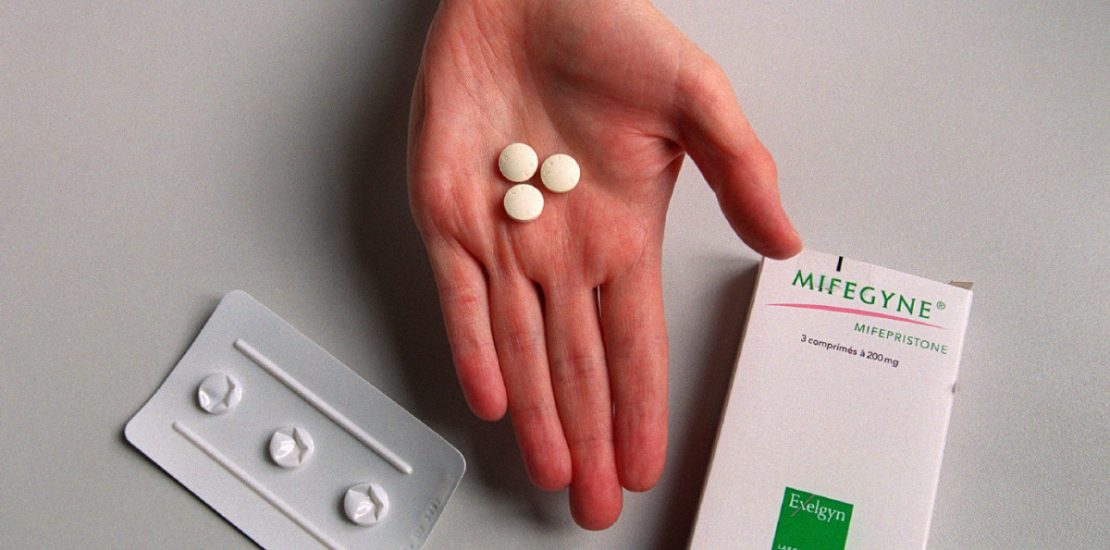
Medication Abortion with
Mifegymiso
|
What does it cost?
No cost with BC medical coverage (MSP), $500 without MSP |
What does it cost?
No cost with BC medical coverage (MSP), $735 without MSP |
How does it work?
A doctor uses gentle suction to remove the pregnancy and blood from inside the uterus. |
How does it work?
The first pill, mifepristone, disrupts the pregnancy. Misoprostol, the second medicine, is used at home 24-48 hours later to make the uterus contract and push out the pregnancy and blood. |
How effective is it?
More than 99% success rate. |
How effective is it?
A 95% success rate at one week follow-up. |
When can it be done?
An aspiration abortion can be done as early as five weeks from the first day of the last period. Everywoman’s provides abortions up to 13 weeks 6 days and referrals for those over 14 weeks. |
When can it be done?
At Everywoman’s a medical abortion can be done as soon as there is a positive pregnancy test and up to 9 weeks from the first day of the last period. |
How many appointments are required?
Most only need one appointment that takes 2-3 hours. This includes counselling, the procedure, and recovery time. |
How many appointments are required?
Usually it means two appointments including a one-week follow-up. A few will need a third appointment. |
How long does it take for the abortion to be complete?
The procedure itself usually takes about seven to eight minutes. |
How long does it take for the abortion to be complete?
About 95% will be completed by the one-week followup. Most will pass the pregnancy tissue within four hours of using misoprostol. |
How painful is it?
There may be strong cramping for a few minutes during the procedure and for a short time after. Medications including local anesthetic, painkillers and/or conscious sedation are used to help manage pain. Milder cramps may continue for several days to several weeks. |
How painful is it?
It varies from mild to very strong cramping, with the worst when passing the pregnancy tissue. There are medications to take at home to help manage pain. Milder cramps may or may not continue for several days to several weeks. |
Will I be able to get pregnant again in the future and when?
The chance of an early aspiration abortion affecting future fertility is extremely rare: one in 10,000 or more rare than that. In fact, fertility returns very quickly and it is possible to be pregnant again right away. An IUD can be inserted at the end of the procedure or other birth control can be started right away. |
Will I be able to get pregnant again in the future and when?
A medication abortion has no effect on future fertility unless there is an extremely rare complication. In fact, fertility returns immediately; birth control methods like the pill should be started the day after using the misoprostol pills. An IUD insertion can be arranged once the followup confirms the pregnancy is gone. |
How much will I bleed?
Bleeding afterward varies, but is often less than a period. Bleeding may start a few days after and can continue for up to several weeks. Some won’t bleed at all afterward. |
How much will I bleed?
Heavy bleeding and clots are common during the abortion process. Afterwards, there may be some spotting and/or bleeding up to the next period. |
Can the abortion fail?
There is about a one in 300 chance of needing the procedure repeated because of blood clots forming or tissue remaining in the uterus. A pregnancy continuing is very rare. |
Can the abortion fail?
There is about a one in 100 chance that the pregnancy will continue and an aspiration procedure may be necessary. About 4 in 100 will require the misoprostol a second time, or will choose to have an aspiration procedure to complete the process. |
What are the possible complications?
Surgical abortion has been formally studied for over 25 years and is very safe. Injury to the uterus is very rare in the first trimester. Excessive bleeding is very rare. Infection or needing a repeat procedure happens in less than one percent of cases. Abortion does not affect future pregnancies unless there is an extremely rare, serious complication. |
What are the possible complications?
Medical abortion has been formally studied for over 20 years and is very safe. The risk of excessive bleeding or serious infection is very low. Allergies to the medications are very rare. About 5 percent will need or choose to have a aspiration procedure to complete the abortion. Abortion does not affect future pregnancies unless there is an extremely rare, serious complication. |
What are common side effects?
Often there are no side effects. Some have dizziness, nausea or vomiting for a short time after the procedure. |
What are common side effects?
Some have few or no side effects, but it’s normal to have some flu-like symptoms when using the misoprostol. These include mild to strong nausea, vomiting, diarrhea, headache, dizziness, fever or chills. |
Are there emotional issues specific to this method?
Some people feel anxious in a medical setting or having a medical procedure. |
Are there emotional issues specific to this method?
Some are anxious waiting for the abortion process to complete. Viewing the pregnancy tissue can also be difficult for some, especially when the pregnancy is over 7 weeks as there may be a visible embryo or fetus. |