Urination & Vinegar

Safe Abortion Clinic

Frequent Urination & Vinegar

Dealing with frequent urination can inhibit your lifestyle, since needing to be near a bathroom all the time is inconvenient. Though vinegar is a home remedy for many conditions, including bladder infections and urinary incontinence, drinking vinegar may cause more harm than good when it comes to treating frequent urination.

Causes of Frequent Urination

Frequent urination is caused by a myriad of conditions, including urinary incontinence, bladder infection or cystitis, according to Medline Plus. Likewise, taking certain medications such as diuretics can cause frequent urination, as well.

Antibacterial Effects of Vinegar

Vinegar tastes highly acidic but it becomes alkaline once it enters the body. According to Earl Mindell, M.D., author of “Dr. Earl Mindell’s Amazing Apple Cider Vinegar,” vinegar can kill bacteria because of its alkalinity. Bacteria typically thrive in acidic environments. Mindell suggests drinking vinegar and water to treat bladder infections — a prime cause of frequent urination — to create an environment that is inhospitable to bacteria.

Vinegar as Diuretic

Unfortunately, vinegar may actually cause frequent urination in some cases. According to Health Services at Columbia, vinegar can act as a diuretic in the body, meaning it flushes out accumulated water and makes you need to urinate more often. If you currently take diuretics, it is best not to drink vinegar as you may experience an increase in this symptom.

Bladder Irritation

If you have an overactive bladder, a condition that causes chronic bladder irritation and an increased need to urinate, drinking vinegar could worsen your condition. According to the Cleveland Clinic, vinegar may irritate the bladder, causing you to feel like you need to urinate more often. If you have an overactive bladder, eliminate vinegar from your diet, Cleveland Clinic advises.

Drinking Vinegar

Abortion Pill Clinic

Can Drinking Vinegar Kill an Unborn Baby?

Some popular health sources and practitioners of alternative medicine recommend consuming vinegar to help regulate blood sugar, among other purported benefits. However, the increased sensitivity of your body to ingested foods during pregnancy means that you may want to avoid drinking vinegar if you’re pregnant.

Vinegar

There are several health claims that appear in popular media regarding vinegar. For instance, you may have heard that vinegar helps you lose weight, prevents diabetes or helps regulate your blood sugar. The evidence to support these claims is all quite preliminary, however, which means you shouldn’t use vinegar to treat a medical condition, and you should talk to your doctor before consuming vinegar as a dietary supplement.

Vinegar And Pregnancy

There are a few reported side effects of drinking vinegar that could be even more problematic during pregnancy. First, vinegar is very acidic. As such, it can increase the likelihood that you’ll experience heartburn, which is quite prevalent during pregnancy, explain Heidi Murkoff and Sharon Mazel in their book “What To Expect When You’re Expecting.” Vinegar has also been known to cause burns to the esophagus, notes Dr. Carol Johnston in the book “Complementary and Alternative Therapies in the Aging Population.”

Electrolytes

One of the most distressing adverse effects reported as a result of drinking vinegar is hypokalemia or low potassium. Potassium is an electrolyte that you need to maintain at normal levels for purposes of cellular communication and function, as well as fluid balance. While hypokalemia isn’t a common side effect of drinking vinegar, pregnancy can put you at increased risk of electrolyte imbalance, so you should talk to your doctor before using vinegar.

Alternatives

If you’re using vinegar to help stabilize blood sugar, which is one of the most common alternative uses of the substance, you may wish to try consuming a balanced, healthy diet instead. Eating a mixture of fresh fruits and vegetables, lean protein, whole grains, and plant-based fats will help stabilize your blood sugar naturally, without having to rely upon consumption of a substance that could increase your likelihood of discomfort or complication during pregnancy.

Abortion is legal in Italy

Abortion is illegal in Italy

Abortion is legal in Italy — so why are women being refused?

Women’s abortion rights in Italy are the worst they have been since the 1970s as a civil war rages on the issue, campaigners claim.

They say increasing numbers of gynecologists are refusing to carry out terminations, forcing women into unsafe, illegal abortions.

It comes amid a publicity drive from anti-abortion organizations that are attempting to demonize women who terminate, according to Silvana Agatone, president of LAIGA, an association of gynecologists that supports abortion rights.

Anti-abortion groups say they hope the number of conscientious objectors increases and that women’s choice should end when another life is involved.

Why is getting an abortion tougher?

Italy legalized abortion on May 22, 1978 — exactly forty years ago today — allowing women to terminate in the first three months of pregnancy or after if the mother’s life is at risk or there is an abnormal fetus.

But the legislation contained a clause allowing doctors, nurses, anesthetists, and others to declare themselves conscientious objectors and refuse to perform abortions.

Figures compiled by the Italian government show the percentage of gynecologists objecting has jumped from 58.7% in 2005 to 70.9% in 2016.

It’s not just gynecologists who professionally object to carry out terminations, nearly half of anesthetists refuse to get involved, according to official data.

Agatone claims other staff use more subtle means to disrupt abortions, such as nurses who don’t wash the utensils needed to carry out the operation, or hospital porters that refuse to wheel in patients for terminations.

“They don’t use the conscientious objection, they abuse the objection,” Agatone told Euronews.

“The environment around you is very negative because if you provide abortions you are treated like a criminal.

“It’s very difficult to work in an environment that is so against you and makes so many problems for you.”

What are the consequences?

Agatone says the higher number of objectors often means desperate women — either by choice or by necessity — having to go from town-to-town searching for someone who will carry out the operation. If they don’t find someone, they are forced into hidden, illegal and unsafe abortions.

Government figures show around 60% of medical establishments provide abortions; Agatone says all should by law.

Agatone’s claims come amid a publicity drive by anti-abortion organizations such as ProVita Onlus and CitizenGo.

Agatone said the increasing number of conscientious objectors and the prominence of anti-abortion groups means abortion rights for women are at the worst level since terminations were legalized 40 years ago.

“It’s becoming much worse,” she added. “This month I’m seeing stuff I’ve never seen before — there’s a civil war on abortion.”

Why is this happening?

Experts say conscientious objectors are rising because gynecologists who are against abortion find it easier to advance in Italian hospitals.

“The system in the hospitals favor the career of the objectors, while non-objecting doctors are often mobbed and discriminated and have to carry the responsibility alone to ensure that the law is implemented,” said Irene Donadio, spokeswoman for the International Planned Parenthood Federation European Network.

“Some are forced to travel to different hospitals to ensure that women receive care in regions in which there is a huge percentage of hospitals that are not ensuring the service via their permanent staff.

“Of course even this is not enough and many women are forced to move to hospitals in other parts of the country to try to get the care they are entitled to.”

Donadio said the rise of populism has also helped foster the growing influence of anti-abortion groups.

“These groups can enjoy a much bigger political influence now that the League has won the elections and is about to enter the new government,” she added.

“The League is close to Russia and Trump and shares a very oppressive agenda around women’s reproductive autonomy.

“The populist Five-Star Movement is flirting with the far-right wingers and from their programme, it seems they care more about stopping children getting vaccines than women’s right to health or how they are treated in hospitals.”

What do anti-abortion groups say?

Alessandro Fiore, son of fascist Italian politician Roberto Fiore and spokesman for ProVita Onlus, said posters put up in Rome and Genoa recently were part of a large anti-abortion communication campaign that will see publicity in 100 provinces.

“It is not true that legislation of abortion leads to a reduction in the number of abortions,” Fiore told Euronews.

“By making it more accessible and by normalizing it in the common conscience leads to an increase in the number of abortions.

“It happened in all countries that have legalized abortion and an increase occurred in Italy in the years that followed legalization.

“We hope that conscientious objection will increase further, this is not a cause for concern.

“The freedom of choice by women is a great misunderstanding: not only about one’s own body but also about the child in the womb, whose right to life is denied.

“We support those who object and invite reflection on why some gynecologists and scholars refuse to practice abortion: as gynecologists, they realize what abortion is, it is a matter of destroying the body of that child.”

Italy’s anniversary comes as another historically Catholic country, Ireland holds a referendum on Friday on whether to relax strict abortion laws.

Abortion Clinics in Europe

Abortion Services Johannesburg

Countries with restricted access

In the following European countries, the access to abortion is legally possible but for foreign women difficult because of some restrictions

    • Denmark
      A woman has to apply for an abortion to a physician, to the community in Copenhagen or Frederiksberg or to the district. The abortion may only be performed by a physician in a district hospital, a hospital that is a member of the Copenhagen Hospital Association, or a clinic attached to the hospital.
      Since 2004 abortion for non-residents is allowed, but they have to pay for the abortion. Local hospitals are obliged to receive all women wanting abortion up to the first trimester
      Abortion for non-residents is not allowed unless they have some special relationship with Denmark. Details [pdf]

    • Finland
      The legal situation: up to 12 weeks.
      Abortions can only be performed in hospitals
      If continuation of the pregnancy or delivery would endanger the life or health of the woman on account of a disease, physical defect or weakness in the woman.
      ! If the delivery or taking care of the child would be a substantial burden. The burden can be of any kind.
      ! If a disease, mental disturbance or other comparable cause, affecting one or both parents, seriously limits their capacity to care for the child
      ! Risk to the mental health of the woman
      ! Rape or other sexual crime
      ! If the woman is aged under 17 or above 40
      ! If the woman already had four children
      ! Risk of malformation
      Details [pdf]

    • Germany
      The legal situation: up to 12 weeks from conception if the woman declares to be in a state of distress (in practice: on request after counseling) rape or other sexual crime. Counselling compulsory for abortion on request! Counseling not compulsory for medical cases and in case of rape or other sexual crime! The compulsory waiting period after counseling (3 days; for abortion on request)! Second written a medical opinion, in addition to one of the doctors performing the abortion
      (medical reasons, rape or other sexual crime)! “The counseling serves to protect unborn life”
      While the law explicitly requires a network of abortion counseling facilities with different ideological orientation, in some areas women can in practice only choose between a church-related facility and another one run by local or state authorities (which are legally obliged to be ideologically neutral) Details [pdf]

    • Italy
      The legal situation: up to 90 days (between 12 and 13 weeks) if continuing the pregnancy, childbirth or motherhood would seriously endanger the woman’s physical or mental health, the woman’s state of health, economic, social or family circumstances. Circumstances in which conception occurred, the probability that the child would be born with abnormalities or malformations. A certificate from a fully authorized medico-social agency, a public counseling center or a physician of the woman’s choice is needed.! A compulsory waiting period of at least 7 days (if abortion is found not to be urgently required). In some Regions (mainly in Southern Italy) and in rural areas, there may be disparities between the law and its application. Free of charge for all women, including immigrant women, foreigners, and women without legal resident’s permit. Details [pdf]

    • Portugal
      The legal situation: up to 12 weeks if abortion is one of the ways to avert the risk of death or grave and irreversible damage to the physical or mental health of the woman. Up to 16 weeks: Rape or other sexual crime. Up to 24 weeks: if there are substantial grounds for believing that the child would be born with a serious or incurable disease or malformation. The woman must give her written consent not less than three days prior to the abortion. There is thus a compulsory waiting period (up to 3 days). In case of emergency, the prescribed time limit may be waived. Prior to the abortion, a physician other than the one performing the procedure must sign a medical certificate attesting to the existence of circumstances that render an abortion permissible.
      In cases of rape, the verification of circumstances depends upon evidence of criminal.
      The law is not fully implemented in public hospitals, due to a large number of conscientious objections and to the lack of further regulations.! As a consequence, the majority of abortions are performed illegally by doctors, midwives, and nurses in private clinics and cabinets. Details [pdf]

    • Spain
      The legal situation: up to 12 weeks: Rape. Up to 22 weeks if the fetus, if carried to term, will suffer from severe physical or mental defects. No limit if the abortion is necessary to avert a serious risk to the physical or mental health of the pregnant woman. The lack of the conscientious objection regulation and its generalization in public health means that in general women have to refer themselves to private structures and that there are important differences between regions in terms of availability of service, especially in public structures. An abortion must be performed by or under the supervision of a physician in an approved public or private health center or the establishment, provided the pregnant woman gives her express consent and one of the legal indications for abortion is met. A pregnant woman is penalized if the abortion is not performed in an approved public or private health center or the establishment, or if the prescribed medical opinions have not been expressed. Details [pdf]

Abortion Clinic Polokwane

Abortion Clinic Polokwane

Abortion Clinic in Polokwane 0715913918

Contact us for Free Delivery

Pain-free abortion for a pregnancy up to 24 weeks at the  Abortion Pills Clinic in Polokwane

Abortion Pills Clinic in Polokwane provides pregnancy termination for third-trimester pregnancy

What is the abortion pill?

Medication abortion — also called the abortion pill — is a safe and effective way to end an early pregnancy.

How does abortion pill work?

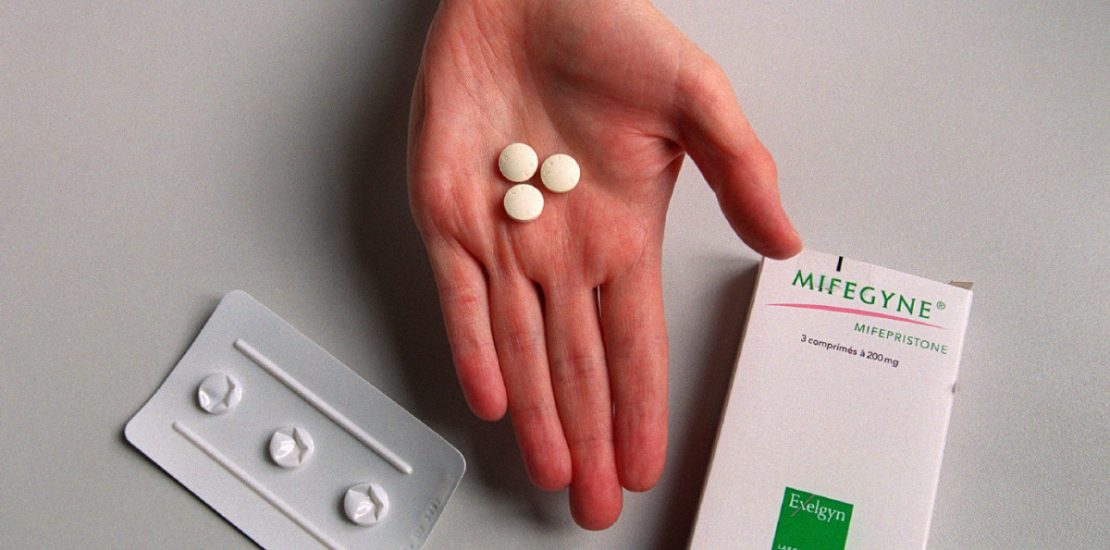
The abortion pill is the common name for using two different medicines to end a pregnancy: mifepristone and misoprostol.

First, you take a pill called mifepristone. Pregnancy needs a hormone called progesterone to grow normally. Mifepristone blocks your body’s own progesterone, stopping the pregnancy from growing.

Then you take the second medicine, misoprostol, either right away or up to 48 hours later. This medicine causes cramping and bleeding to empty your uterus. It’s kind of like having a really heavy, cramping period, and the process is very similar to an early miscarriage. If you don’t have any bleeding within 24 hours after taking the second medicine, call your nurse or doctor.

How effective is the abortion pill?

The abortion pill is very effective. The effectiveness depends on how far along you are in your pregnancy when you take the medicine.

  • For people who are 8 weeks pregnant or less, it works about 94-98 out of 100 times.
  • For people who are 8-9 weeks pregnant, it works about 94-96 out of 100 times.
  • For people who are 9-10 weeks pregnant, it works about 91-93 out of 100 times.

Abortion pill usually works, but if it doesn’t, you can take more medicine or have an in-clinic abortion to complete the abortion.

In-clinic abortions

In-clinic abortion works by using suction to take pregnancy out of your uterus. There are a couple of kinds of in-clinic abortion procedures. Your doctor or nurse will know which type is right for you, depending on how far you are into your pregnancy.

Suction abortion (also called vacuum aspiration) is the most common type of in-clinic abortion. It uses gentle suction to empty your uterus. It’s usually used until about 14-16 weeks after your last period.

How effective are in-clinic abortions?

In-clinic abortions are extremely effective. They work more than 99 out of every 100 times. Needing to get a repeat procedure because the abortion didn’t work is really rare.


Women’s Clinic Polokwane 0715913918

Abortion Clinic

Women’s Clinic in Polokwane Contact us on  0715913918

Abortion

Whatever your circumstances, it’s your right to terminate up to 24 weeks into the pregnancy. It’s entirely your decision, and if it’s something you want to do, rest assured that’s it’s legal in South Africa to have an abortion

Remember: abortion is legal in South Africa, so there is no reason to ever visit an illegal service provider. If you have passed the 24-weeks mark, there are other options available to you, which we’ll talk you through and help you to understand.

We’re here to support you, whatever choice you make about your pregnancy, so you never have to feel alone. We offer safe abortion (also called Termination of Pregnancy or TOP) for women who are up to 24 weeks pregnant. Depending on the gestation (stage of the pregnancy), we have two services available: the Medical Process (often called the abortion pill) and the surgical Procedure (a minor, same day surgical treatment).

Our nurses and doctors are accredited professionals and experts in reproductive healthcare. Our work has strictly governed the Choice on Termination of Pregnancy Act (amended 2008) and we adhere to World Health Organization Guidelines.

Safe abortion or Termination of pregnancy (TOP) is when a pregnancy is terminated in its early stage before it results in the birth of a child.

Abortion may be performed in two different ways.

Medical Abortion.

This is when abortion pills will be swallowed to end the pregnancy.

Surgical Abortion.

This is when instruments will be used to remove the fetus.

If both abortion procedures are done by a qualified abortion doctor with proper medical guidance, there is no way it will affect your fertility.

How is a Safe Abortion Done

On your first visit to our clinic, counseling will be provided and this is optional.

Safe abortion

The doctor will perform a pregnancy test to confirm the weeks and also explain to you in detailed how the safe abortion procedure will done and how to take care of yourself after the abortion.

Safe Abortion Procedure

You will swallow one abortion pill that is meant to block the hormone called progesterone.

Progesterone is the hormone that supports pregnancy and without it, the pregnancy can not continue.

Step 2.

A few hours later after the first pill, the lining of the uterus will begin to shed and this will soften the os of the cervix.

You will then be requested to swallow another set of abortion pills or they may be inserted inside your vagina.

Side effects of a Medical safe abortion

-You will experience cramping like period pains.

-You might vomit.

-Feel Nausea

-Get a running stomach

-Experience some bit of Fatigue.

The bleeding might start 2 hours after using the second pills.

You may see large blood clots at the time of the abortion and if the pain persists then you will need to take some pain medicine provided by the clinic.

Womb Cleaning after a safe Abortion

The womb is the center of a woman’s power, creativity, and life force. Not only does the womb create babies, but it also energetically holds the space of the life force. Therefore after every abortion procedure, we shall provide you with pain tablets and antibiotics that will prevent you from getting any infections during the healing process.

You may also need to have a pap smear to make sure that the cervix (mouth of the womb) is normal.

Should you feel continuous pains that do not stop or bleeding that is heavily for almost a week after an abortion that is a possible sign of small tissue that might have remained inside the womb during the medical abortion procedure.

We shall perform some test and if we confirm that there is a sign of infection, the clinic will perform a small medical procedure to gently scoop or remove any remaining tissue inside the womb.

Safe Abortion Clinic Johannesburg

Safe Abortion Clinic

Safe Abortion Clinic Services in Johannesburg

Are you looking for safe abortion pills in Johannesburg? Then you have come to the right place where you can be assisted.

Johannesburg Abortion Clinic is committed to women’s health and offers safe abortion pills in Johannesburg. Having an unwanted pregnancy can be extremely stressful, not to mention that you may feel all alone, and we want you to know that Johannesburg Women’s clinic is committed to helping you every step of the way as you make your decision about the baby and get informed about the choices that are you need to make. Our safe abortion pills are meant to make your anxiety levels less and somewhat makes a difficult decision less difficult.

Abortion Pill (Medication Abortion)

Abortion pill (medication abortion) is offered up to 10 weeks and 0 days after the start of your last menstrual period.

If your last period was more than 10 weeks and 0 days ago, read about our in-clinic abortion services below.

Abortion pill (medication abortion) services are available by appointment only.

Plan to be at the health center for 3-5 hour(s) for your entire abortion pill visit (medication abortion).

You will need to follow up within 1-2 weeks to make sure your abortion is complete and that you are well. In the unlikely event that you are still pregnant, you may need another dose of medication or to have an in-clinic abortion to end the pregnancy.

After your abortion pill visit, you will need access to a telephone, transportation, and backup medical care available to you once you are home.

In-Clinic Abortion

In-clinic abortion is offered up to 24 weeks and 0 days after the start of your last menstrual period. If your last period was after 24 weeks and 0 days, we can still help. Call us for a referral list of health care providers in your area that offer other abortion services.

In-clinic abortions are available by appointment only.

Plan to be at the health center for 4-6 hour(s) for your entire visit for an in-clinic abortion.

If you desire medication to help make your in-clinic abortion more comfortable, you must have a responsible companion with you to help you get home safely.

If you are more than 16 weeks pregnant, your in-clinic abortion may require multiple visits.

Pregnancy Termination Windhoek

Abortion

Pregnancy Termination-Abortion Pills in Windhoek

pregnancy termination the process of ending a pregnancy so it does not result in the birth of a baby. Depending on how many weeks you have been pregnant, the pregnancy is ended either by taking medication or by having a surgical procedure.

It is always a hard decision to make, but if you have weighed your options and ready to have the procedure done, you should arrange to have a termination sooner rather than later.

Often many teens under the age of 16 fall pregnant and get scared to tell their guardians about the mistake they did. In such situations, they keep on hiding the pregnancy by wearing big clothing so that their parents don’t realize but soon or later it starts to show and by the time they contact an abortion provider, often its too late.

whatever your age and situation, you can still have a legal termination of pregnancy performed but it must be approved by your guardian and the doctor who will counsel you about the current situation of raising a baby while your still young because most of the times,  it would be more harmful to your mental or physical health to continue with the pregnancy than it would be to terminate it.

Termination of pregnancy in Pretoria is legal up to 20 weeks but most abortion clinics will not perform an abortion after the 18-20 week mark unless either there is a serious threat to the woman’s life or the unborn child.

Safe Abortion Clinic Windhoek

Safe Abortion Clinic

Safe Abortion Windhoek

We offer the following abortion services:

  • abortion pill (medication abortion)
  • in-clinic abortion
  • pre- and post-abortion

    You need to know about abortion services

    ABORTION PILL (MEDICATION ABORTION) WINDHOEK

    Abortion pill (medication abortion) is offered up to 10 weeks and 0 days after the start of your last menstrual period.

    If your last period was more than 10 weeks and 0 days ago, read about our in-clinic abortion services below.

    Abortion pill (medication abortion) services are available by appointment only.

    Plan to be at the health center for 3-5 hour(s) for your entire abortion pill visit (medication abortion).

    You will need to follow up within 1-2 weeks to make sure your abortion is complete and that you are well. In the unlikely event that you are still pregnant, you may need another dose of medication or to have an in-clinic abortion to end the pregnancy.

    After your abortion pill visit, you will need access to a telephone, transportation, and backup medical care available to you once you are home.

    IN-CLINIC ABORTION IN WINDHOEK

    In-clinic abortion is offered up to 24 weeks and 0 days after the start of your last menstrual period. If your last period was after 24 weeks and 0 days, we can still help. Call us for a referral list of health care providers in your area that offer other abortion services.

    In-clinic abortions are available by appointment only.

    Plan to be at the health center for 4-6 hour(s) for your entire visit for an in-clinic abortion.

    If you desire medication to help make your in-clinic abortion more comfortable, you must have a responsible companion with you to help you get home safely.

    If you are more than 16 weeks pregnant, your in-clinic abortion may require multiple visits.

    If you plan to have sedation, please do not eat for 8 hours or drink clear liquids for 8 hours before your appointment.

Safe Abortion Clinics Pretoria

Abortion Clinic

Safe Abortion Clinic Pretoria

We offer the following abortion services:

  • abortion pill (medication abortion)
  • in-clinic abortion
  • pre- and post-abortion

    You need to know about abortion services

    ABORTION PILL (MEDICATION ABORTION) PRETORIA

    Abortion pill (medication abortion) is offered up to 10 weeks and 0 days after the start of your last menstrual period.

    If your last period was more than 10 weeks and 0 days ago, read about our in-clinic abortion services below.

    Abortion pill (medication abortion) services are available by appointment only.

    Plan to be at the health center for 3-5 hour(s) for your entire abortion pill visit (medication abortion).

    You will need to follow up within 1-2 weeks to make sure your abortion is complete and that you are well. In the unlikely event that you are still pregnant, you may need another dose of medication or to have an in-clinic abortion to end the pregnancy.

    After your abortion pill visit, you will need access to a telephone, transportation, and backup medical care available to you once you are home.

    IN-CLINIC ABORTION IN PRETORIA

    In-clinic abortion is offered up to 24 weeks and 0 days after the start of your last menstrual period. If your last period was after 24 weeks and 0 days, we can still help. Call us for a referral list of health care providers in your area that offer other abortion services.

    In-clinic abortions are available by appointment only.

    Plan to be at the health center for 4-6 hour(s) for your entire visit for an in-clinic abortion.

    If you desire medication to help make your in-clinic abortion more comfortable, you must have a responsible companion with you to help you get home safely.

    If you are more than 16 weeks pregnant, your in-clinic abortion may require multiple visits.

    If you plan to have sedation, please do not eat for 8 hours or drink clear liquids for 8 hours before your appointment.

Safe Abortion Clinic Soweto

Safe Abortion Clinic

Safe Abortion Clinic Soweto

We offer the following abortion services:

  • abortion pill (medication abortion)
  • in-clinic abortion
  • pre- and post-abortion

    You need to know about abortion services

    ABORTION PILL (MEDICATION ABORTION) SOWETO

    Abortion pill (medication abortion) is offered up to 10 weeks and 0 days after the start of your last menstrual period.

    If your last period was more than 10 weeks and 0 days ago, read about our in-clinic abortion services below.

    Abortion pill (medication abortion) services are available by appointment only.

    Plan to be at the health center for 3-5 hour(s) for your entire abortion pill visit (medication abortion).

    You will need to follow up within 1-2 weeks to make sure your abortion is complete and that you are well. In the unlikely event that you are still pregnant, you may need another dose of medication or to have an in-clinic abortion to end the pregnancy.

    After your abortion pill visit, you will need access to a telephone, transportation, and backup medical care available to you once you are home.

    IN-CLINIC ABORTION IN SOWETO

    In-clinic abortion is offered up to 24 weeks and 0 days after the start of your last menstrual period. If your last period was after 24 weeks and 0 days, we can still help. Call us for a referral list of health care providers in your area that offer other abortion services.

    In-clinic abortions are available by appointment only.

    Plan to be at the health center for 4-6 hour(s) for your entire visit for an in-clinic abortion.

    If you desire medication to help make your in-clinic abortion more comfortable, you must have a responsible companion with you to help you get home safely.

    If you are more than 16 weeks pregnant, your in-clinic abortion may require multiple visits.

    If you plan to have sedation, please do not eat for 8 hours or drink clear liquids for 8 hours before your appointment.

Abortion Services Johannesburg

Abortion Services Johannesburg

Abortion Services in Johannesburg

We offer the following abortion services:

  • abortion pill (medication abortion)
  • in-clinic abortion
  • pre- and post-abortion

    You need to know about abortion services

    Abortion Pill (Medication Abortion)

    Abortion pill (medication abortion) is offered up to 10 weeks and 0 days after the start of your last menstrual period.

    If your last period was more than 10 weeks and 0 days ago, read about our in-clinic abortion services below.

    Abortion pill (medication abortion) services are available by appointment only.

    Plan to be at the health center for 3-5 hour(s) for your entire abortion pill visit (medication abortion).

    You will need to follow up within 1-2 weeks to make sure your abortion is complete and that you are well. In the unlikely event that you are still pregnant, you may need another dose of medication or to have an in-clinic abortion to end the pregnancy.

    After your abortion pill visit, you will need access to a telephone, transportation, and backup medical care available to you once you are home.

    In-Clinic Abortion

    In-clinic abortion is offered up to 24 weeks and 0 days after the start of your last menstrual period. If your last period was after 24 weeks and 0 days, we can still help. Call us for a referral list of health care providers in your area that offer other abortion services.

    In-clinic abortions are available by appointment only.

    Plan to be at the health center for 4-6 hour(s) for your entire visit for an in-clinic abortion.

    If you desire medication to help make your in-clinic abortion more comfortable, you must have a responsible companion with you to help you get home safely.

    If you are more than 16 weeks pregnant, your in-clinic abortion may require multiple visits.

    If you plan to have sedation, please do not eat for 8 hours or drink clear liquids for 8 hours before your appointment.

Where to get Abortion pill Johannesburg

Abortion pills

How do I get the abortion pill?

You can get the abortion pill from a doctor, nurse, health clinic, or Abortion Pill Clinic. You may be able to get the abortion pill for a free or low cost.

Where can I get the abortion pill?

You can get the abortion pill at many Abortion Pill Clinic. Our caring doctors and nurses are experts at providing safe abortion and providing non-judgmental support throughout the process. Even if your Abortion Pill Clinic does not provide the abortion pill, you can call for more information about where to get it in your area.


Safe Abortion pills

Safe Abortion Pills

How safe is the abortion pill?

Medication abortion is very safe. Serious problems are rare, but like all medical procedures, there can be some risks.

Risks of taking the abortion pill

Medication abortion has been used safely in the U.S. for more than 15 years. Serious complications are really rare but can happen. These include:

  • the abortion pills don’t work and the pregnancy doesn’t end
  • some of the pregnancy tissue is left in your uterus
  • blood clots in your uterus
  • bleeding too much or too long
  • infection
  • allergic reaction to one of the medicines

These problems aren’t common. And if they do happen, they’re usually easy to take care of with medication or other treatments.

In extremely rare cases, some complications can be very serious or even life-threatening. Call your doctor or health center right away if you:

  • have no bleeding within 24 hours after taking the second medicine (misoprostol)
  • have heavy bleeding from your vagina that soaks through more than 2 maxi pads in an hour, for 2 or more hours in a row
  • pass large clots (bigger than a lemon) for more than 2 hours
  • have belly pain or cramps that don’t get better with pain medication
  • have a fever of 100.4 or higher more than 24 hours after taking misoprostol
  • have weakness, nausea, vomiting, and/or diarrhea that lasts more than 24 hours after taking misoprostol

You should start to feel better the day after your abortion. Feeling sick with nausea, vomiting, diarrhea, belly pain, or fever for more than 24 hours after taking misoprostol (the second set of pills) can be a sign of infection. Call your doctor or nurse right away if you have any of those symptoms. Serious problems can cause death in the rarest cases, but abortion is typically very safe. In fact, pregnancy and childbirth are riskier than most abortions.

If you have complications during your medication abortion, you may have to go back to the doctor’s office or health center. In the unlikely event that you are still pregnant, your doctor or nurse will discuss your options with you. You may need another dose of medication or to have an in-clinic abortion to end the pregnancy.

Like all medications, the abortion pill isn’t right for everyone. The abortion pill may not be right for you if you have certain medical conditions or take certain medications. Your doctor or nurse will talk with you and help you decide if the abortion pill is the right option for you.

Surgical vs. medical abortion

Abortion Pill Clinic offers aspiration (surgical) and medication (medical) abortion . This chart explains the differences between the two types of abortion. Both are considered very safe. Everyone is a little different in how they experience each type of abortion, but the following is some general information to consider in your decision. If you need help deciding between the two kinds of abortion offered, please call us at +27715913918 to book a decision-making counselling session in person or on the phone.

Aspiration (Surgical) Abortion

Medication Abortion with
Mifegymiso

What does it cost?
No cost with BC medical coverage (MSP), $500 without MSP
What does it cost?
No cost with BC medical coverage (MSP), $735 without MSP
How does it work?
A doctor uses gentle suction to remove the pregnancy and blood from inside the uterus.
How does it work?
The first pill, mifepristone,  disrupts the pregnancy. Misoprostol, the second medicine,  is used at home 24-48 hours later to make the uterus contract and push out the pregnancy and blood.
How effective is it? 
More than 99% success rate.
How effective is it? 
A 95% success rate at one week follow-up.
When can it be done? 
An aspiration abortion can be done as early as five weeks from the first day of the last period. Everywoman’s provides abortions up to 13 weeks 6 days and referrals for those over 14 weeks.
When can it be done? 
At Everywoman’s a medical abortion can be done as soon as there is a positive pregnancy test and up to 9 weeks from the first day of the last period.
How many appointments are required?
Most only need one appointment that takes 2-3 hours. This includes counselling, the procedure, and recovery time.
How many appointments are required?
Usually it means two appointments including a one-week follow-up. A few will need a third appointment.
How long does it take for the abortion to be complete?
The procedure itself usually takes about seven to eight minutes.
How long does it take for the abortion to be complete?
About 95% will be completed by the one-week followup.  Most will pass the pregnancy tissue within four hours of using misoprostol.
How painful is it?
There may be strong cramping for a few minutes during the procedure and for a short time after. Medications including local anesthetic, painkillers and/or conscious sedation are used to help manage pain. Milder cramps may continue for several days to several weeks.
How painful is it?
It varies from mild to very strong cramping, with the worst when passing the pregnancy tissue. There are medications to take at home to help manage pain. Milder cramps may or may not continue for several days to several weeks.
Will I be able to get pregnant again in the future and when?
The chance of an early aspiration abortion affecting future fertility is extremely rare: one in 10,000 or more rare than that. In fact, fertility returns very quickly and it is possible to be pregnant again right away. An IUD can be inserted at the end of the procedure or other birth control  can be started right away.
Will I be able to get pregnant again in the future and when?
A medication abortion has no effect on future fertility unless there is an extremely rare complication. In fact, fertility returns immediately; birth control methods like the pill should be started the day after using the misoprostol pills. An IUD insertion can be arranged once the followup confirms the pregnancy is gone.
How much will I bleed?
Bleeding afterward varies, but is often less than a period. Bleeding may start a few days after and can continue for up to several weeks. Some won’t bleed at all afterward.
How much will I bleed? 
Heavy bleeding and clots are common during the abortion process. Afterwards, there may be some spotting and/or bleeding up to the next period.
Can the abortion fail?
There is about a one in 300 chance of needing the procedure repeated because of blood clots forming or tissue remaining in the uterus. A pregnancy continuing is very rare.
Can the abortion fail?
There is about a one in 100 chance that the pregnancy will continue and an aspiration procedure may be necessary. About 4 in 100 will require the misoprostol a second time, or will choose to have an aspiration procedure to complete the process.
What are the possible complications?
Surgical abortion has been formally studied for over 25 years and is very safe. Injury to the uterus is very rare in the first trimester. Excessive bleeding is very rare. Infection or needing a repeat procedure happens in less than one percent of cases. Abortion does not affect future pregnancies unless there is an extremely rare, serious complication.
What are the possible complications? 
Medical abortion has been formally studied for over 20 years and is very safe. The risk of excessive bleeding or serious infection is very low. Allergies to the medications are very rare. About 5 percent will need or choose to have a aspiration procedure to complete the abortion. Abortion does not affect future pregnancies unless there is an extremely rare, serious complication.
What are common side effects? 
Often there are no side effects. Some have dizziness, nausea or vomiting for a short time after the procedure.
What are common side effects? 
Some have few or no side effects, but it’s normal to have some flu-like symptoms when using the misoprostol. These include mild to strong nausea, vomiting, diarrhea, headache, dizziness, fever or chills.
Are there emotional issues specific to this method? 
Some people feel anxious in a medical setting or having a medical procedure.
Are there emotional issues specific to this method? 
Some are anxious waiting for the abortion process to complete. Viewing the pregnancy tissue can also be difficult for some, especially when the pregnancy is over 7 weeks as there may be a visible embryo or fetus.

Abortion Pill Cost In Johannesburg

WHAT IS THE COST OF MEDICAL ABORTION? (THE ABORTION PILL)

Abortion

The abortion pill can cost up to around R800-2500, but is often less. The cost of a medication abortion varies and depends on where you get it.

Your Abortion Pill Clinic can give you more information about coverage in your state, or other funds that can help you pay for your abortion. The professional at Abortion Pill Clinic will work to give you the services you need. May charge less for services depending on your income. If you’re worried about cost, call your Abortion Pill Clinic to see if they can get you health care that you can afford.

Abortion Pills Windhoek

Abortion Pills Windhoek

How do I get the abortion pill?

You can get the abortion pill from a doctor, Abortion Pill Clinic +27715913918. You may be able to get the abortion pill for free or low cost.

Where can I get the abortion pill?

You can get the abortion pill at Abortion Pill Clinic +27715913918. Our caring doctors and nurses are experts at providing safe abortion and providing non-judgmental support throughout the process.

Depending on where you live, there may be age restrictions or waiting periods to get an abortion. You can ask about these when you call your doctor or health center.

Safe Abortion Johannesburg

Abortion Services Polokwane

After taking the abortion pill

You may feel tired or cramping for a day or so, and you’ll have bleeding and spotting for awhile. Most people go back to normal activities the day after a medication abortion.

How you feel during and after a medication abortion varies from person to person. On the day you take your second medicine, plan on resting and being in a comfortable place. You may feel tired for 1 or 2 days after, but you should be back to normal soon.

Abortion pill Could affect periods

t’s normal to bleed and spot off and on for several weeks after your abortion. You can use pads, tampons, or a menstrual cup —  whatever’s the most comfortable for you. But your nurse or doctor may recommend you use pads for a few days after the abortion so you can track how much you’re bleeding.

Abortion starts a new menstrual cycle, so your period should go back to normal 4-8 weeks after your abortion.

Sex after a medical abortion

You can have sex as soon as you feel ready. Normally or medically we recommend 2-4 weeks After the Procedure


Abortion Pill

Abortion Pill

The abortion pill causes cramping and bleeding that can last several hours or more. You can be at home, or wherever is comfortable for you. Plan on taking it easy for the day.

Before you take the abortion pill, you’ll meet with your nurse, doctor, or health center staff to talk about whether; is the right decision for you, and what your abortion options are. You’ll get an exam and lab tests, and you may get an ultrasound to figure out how far into your pregnancy you are.

Your nurse or doctor will let you know if there’s anything else you need to do to prepare for your abortion. They’ll give you written instructions on how to take your pills. You will have access to a caring professional through the process — you’ll get a number you can call 24/7 if you have any questions or concerns.

Abortion Pill Clinic Johannesburg

Second Trimester Abortion

Abortion Pill Clinic

Aside from variations in the material of instructional and informed consent materials suitable for the amount of gestation, the second noun patient encounters the same preoperative processes as the first trimester patient. The disparity is the second noun individual encounters an extra day of laminar dilation of the cervix. The 2nd trimester abortion patient yields on the second or third day for replacement of the first laminaria with numerous new laminaria so as to continue and improve the process of cervical dilation. This procedure, done under local anesthesia, generally takes just a couple of minutes, but it is an essential measure of the process to assure maximum safety. 

From 15 to 19 menstrual weeks, the individual comes in at her appointed time because of her diplomatic and is provided a preoperative analgesic and stimulant medicine. The amniotic sac is then broken with instruments under direct ultrasound vision. The purpose of this maneuver Can Be to Discharge all the amniotic fluid to the extent possible. This prevents the individual from experiencing an amniotic fluid embolism, wherein the amniotic fluid can enter the blood stream and cause death or serious complications. Since amniotic fluid embolism is among the most dangerous possible complications of pregnancy and abortion. Hern developed That the technique of preventing this complication from happening. After that, the uterus contents are evacuated surgically by using forceps along with other instruments placed into the womb throughout the vaginal and cervix. An intravenous infusion is in place currently so the doctor can give medication rapidly for pain and also to give medication that causes the womb to contract as the abortion is Finished Late second trimester diplomatic patients receive all their preoperative evaluation and consultation on the first day of their appointment and return on the second day for the initial steps of the abortion procedure. At 20 menstrual period and later, the initial step in the abortion procedure on the second day of her appointment is an injection of drugs into the fetus which will stop the fetal heart instantly.

Second-trimester abortion patients receive an ultrasound screening examination at the very start of their appointment in Abortion pill Clinic. Among those features of the pregnancy assessed currently include the identification of fetal age, which is created by measuring a variety of parts of the embryo, such as head dimensions and femur length, which give an accurate understanding of fetal age. Other evaluations include standing of the placenta, the existence of, an absence of, or an unusual amount of amniotic fluid, the existence of visible fetal anomalies, pathology like fibroids from the uterus walls, and if the fetus is alive or not.